Locations





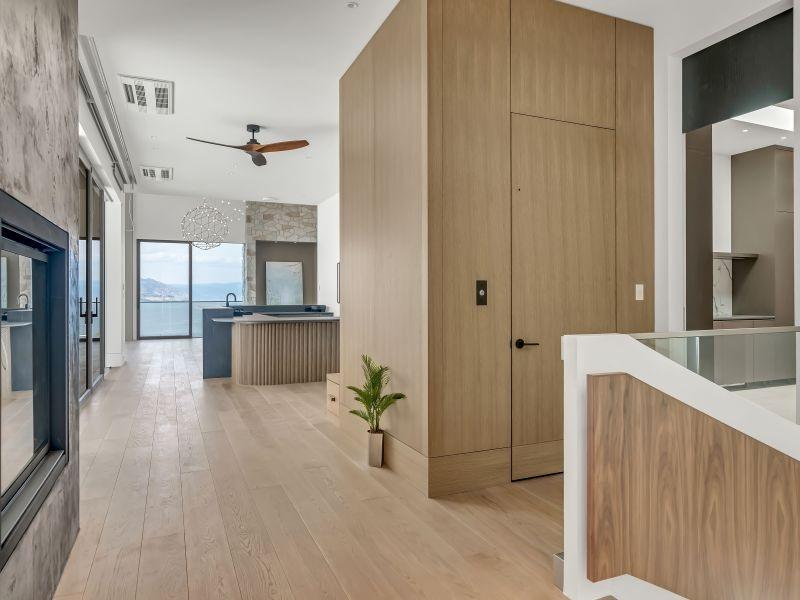
A growing number of Canadians are paying close attention to their health and quality of living. That trend is extending into housing as more buyers seek wellness-enhancing features within the comfort of their own homes, executives from Engel & Völkers say.
Sought after wellness features include air and water filtration systems, yoga areas, lighting that promotes deeper sleep and strong soundproofing to block outside noise. On the higher end, it can include bedrooms with adjustable oxygen levels as well as the more common cold plunge pools and home gyms.
The Germany-based luxury real estate company suggests these health-focused homes could be described as “wellness estates,” where wellbeing is not a feature but a guiding principle.
Wellness estates can “serve as ways to achieve goals of fitness, physical wellness (and) emotional wellness,” said Stuart Siegel, CEO of Engel & Völkers.
Young and old taking greater interest at wellness
While largely relegated to wealthy homeowners today, wellness is on track to become mainstream, Kristopher Steele, a vice president of strategic initiatives at Engel & Völkers, said in a separate interview.
The Florida-based Global Wellness Institute (GWI) found Canada’s wellness economy grew at 7.3 per cent from 2019 to 2023, reaching US$143.8 billion in 2023. Canada was the world’s eighth-largest wellness real estate market in 2024, the GWI said, valued at over US$16 billion.
Interest in healthy living and the COVID pandemic galvanized the demand for wellness estates, Siegel said.
The features are catching on with baby boomers, Siegel and Steele added, with older Canadians likely to keep a closer watch on their health. A January survey by HomeEquity Bank, found 90 per cent of Canadians aged 55 and over are maintaining or increasing their spending on health and wellness.
Interest in wellness is growing among younger generations as well, Steele said. The millennial and generation Z emphasis on the importance of mental health, nutrition and quality sleep, nicely align with the pillars of wellness estates.
Market for wellness features driven by buyer demand
Two years ago, Siegel said he would have associated wellness homes with destination resort markets. Now, such homes are seen in a variety of markets, he continued.
Steele said wellness estates remain primarily in urban and rural markets. The suburbs lack the infrastructure to build wellness communities unlike urban areas, he said, and clash with the biophilic design that so many wellness estates emphasize. Additionally, suburbs do not focus on community-building, Steele said, which is critical to the wellness concept.
Given the cost of these supplementary, luxury features, wellness-oriented additions are more consistently prevalent in the high-end housing market, Siegel and Steele said.
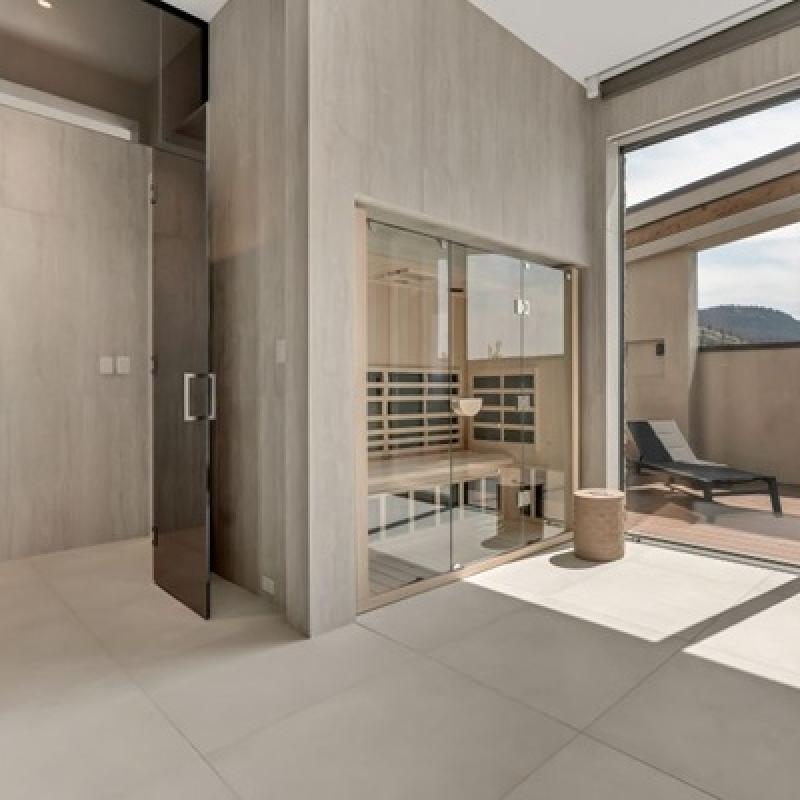
However, both expect it can trickle down to the median homeowner as costs go down and more people express demand.
“I think it becomes a core feature in a home. I think it’s moving to that very quickly,” Siegel said. “It’s buyer demand, not seller or developer or artificial creation demand. Buyers want it.”
As wellness becomes ever more popular and less expensive to integrate into the design of a home, the systems will "trickle down into different aspects of the housing market,” Steele said.
A new way of looking at luxury
There has been a shift what defines luxury at home, Steele said. The expectation is changing from a home built from deluxe materials and equipped with smart appliances to one with accessories that improve air quality and rest.
"Materials are chosen to promote clean air and water," the Engel & Völkers 2026 Home Design Trends Guide states about wellness. "Natural light is treated as essential and shapes layouts and daily routines rather than serving as a decorative feature."
While there is no clear indicator of the financial value of putting wellness front and centre in a home, it establishes a marketing advantage for the property, Siegel said.
Wellness can add more value to a property and help sell it faster, Steele said, likening it to high-quality commercial real estate which attracts more tenants. “People will pay more to feel better,” Steele added.


 Industry Events
 Locations