
 Locations





Over 60 per cent of Ontarians see property taxes and government fees as influencing housing affordability, a survey by the Ontario Real Estate Association (OREA) found. It may indicate the industry’s messaging is being heard by the public.
Developers and homebuilders have for years sought relief from what they consider onerous government-imposed taxes and charges related to housing. The industry has loudly blamed these fees and extended approvals timelines, in part, for making many projects much more costly, or unfeasible to build.
This constricts the supply of new housing, the industry argues, which could alleviate pressures on Ontario’s housing market if it were to be constructed in a more timely and cost-effective manner.
Development charges alone in many Ontario municipalities can exceed $100,000 per unit, Tom McLaughlin, the vice president of Guelph-based Thomasfield Homes, wrote in a column for RENX Homes. He noted up to 30 per cent of a new home’s price in the Greater Toronto Area stems from taxes, fees and charges.
The survey, conducted by Abacus Data in January with 2,000 adult participants, shows “Ontarians are beginning to recognize that housing costs and the factors impacting affordability are no longer seen as purely market-driven,” OREA said in a press release accompanying the poll.
Ontarians continue to be widely concerned about the cost of shelter – 86 per cent said they are worried about housing conditions today, and 61 per cent reported buying a home in the community where they live has become more difficult over the past year. Just under 80 per cent said housing should be a top priority for the provincial government.
Based in Toronto, OREA represents almost 100,000 Realtors in Ontario’s 29 real estate boards.
Taxes, fees recognized as problems
Ontarians blamed the lack of affordable housing (39 per cent), immigration-driven demand (39 per cent), population growth outpacing supply (29 per cent), and high construction costs (28 per cent) as key causes of the housing crisis.
Taxes and fees were recognized as a barrier to buying or moving within the housing market. While not as high as high home prices (46 per cent), 19 per cent of those surveyed identified property taxes and government fees as a factor.
Just over four-in-10 (41 per cent) of those polled said they consider their property taxes somewhat or very unfair, with 26 per cent responding it is somewhat or very fair. A little over half (53 per cent) said property taxes present a major or moderate financial burden.
Approximately one-quarter of respondents said they think government-imposed fees (property taxes, municipal development charges, building permit fees) contribute “a great deal” to the price of newly built homes; 38 per cent said “quite a bit.”
HST rebate broadly accepted
When those surveyed were asked their thoughts on the proposed eight per cent HST rebate for first-time homebuyers, 55 per cent voiced support. Only 10 per cent were opposed, and 27 per cent could accept the policy.
Most (57 per cent) believe it will make homeownership somewhat easier by reducing upfront costs, a sentiment particularly strong with younger Ontarians. One-third were skeptical it would have any impact.
Following the strain of pessimism about the housing market revealed in the survey, only eight per cent believe it goes far enough. Forty-three per cent believe it would help “somewhat” but more is needed; 31 per cent said it would do very little; 11 per cent think it will not help at all.
When asked about expanding the rebate to all homebuyers, 44 per cent said yes. Some also said it should be open to downsizers (16 per cent) and those moving into larger homes (nine per cent).
OREA’s recommendations
OREA listed four suggestions to address housing affordability:
- Allowing water and wastewater services to be provided through a municipal services corporation, which would lower the upfront costs of building homes.
- Land use changes to end exclusionary zoning, which would unlock housing supply in high-demand neighbourhoods.
- Updating zoning rules to support commercial-to-residential conversions and greater density along transit corridors.
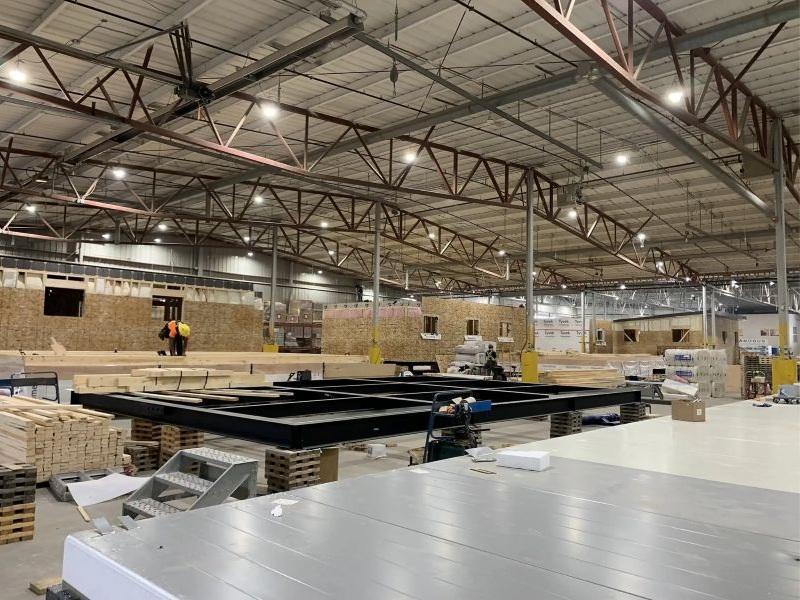
- Greater adoption of factory-built housing.
“Decision-makers need to embrace policy solutions and actions that lower the cost of homebuilding and speed up the delivery of new housing supply in order to bring affordability closer within reach,” OREA president-elect Kim Fairley said in the release.





 Industry Events
 Locations